

How Do I Get Immediate Relief from a Phantom Limb Syndrome Flare-Up in Sugar Land, TX?
When a sudden flare-up of phantom limb syndrome strikes, finding prompt, targeted relief is essential for restoring your comfort and daily routine. At Modern Pain Management in Sugar Land, TX, our dedicated specialists—Dr. George Atallah, Dr. Shervin Harandi, and Dr. Zehra Hooda—utilize the latest interventional therapies to address complex nerve pain head-on. Contact us today or schedule a consultation. We are located at 12930 Dairy Ashford Rd #501-504, Sugar Land, TX 77478. We serve patients from Sugar Land TX, Houston TX, Pearland TX, Jersey Village TX, Missouri City TX, Stafford TX, and Richmond TX.
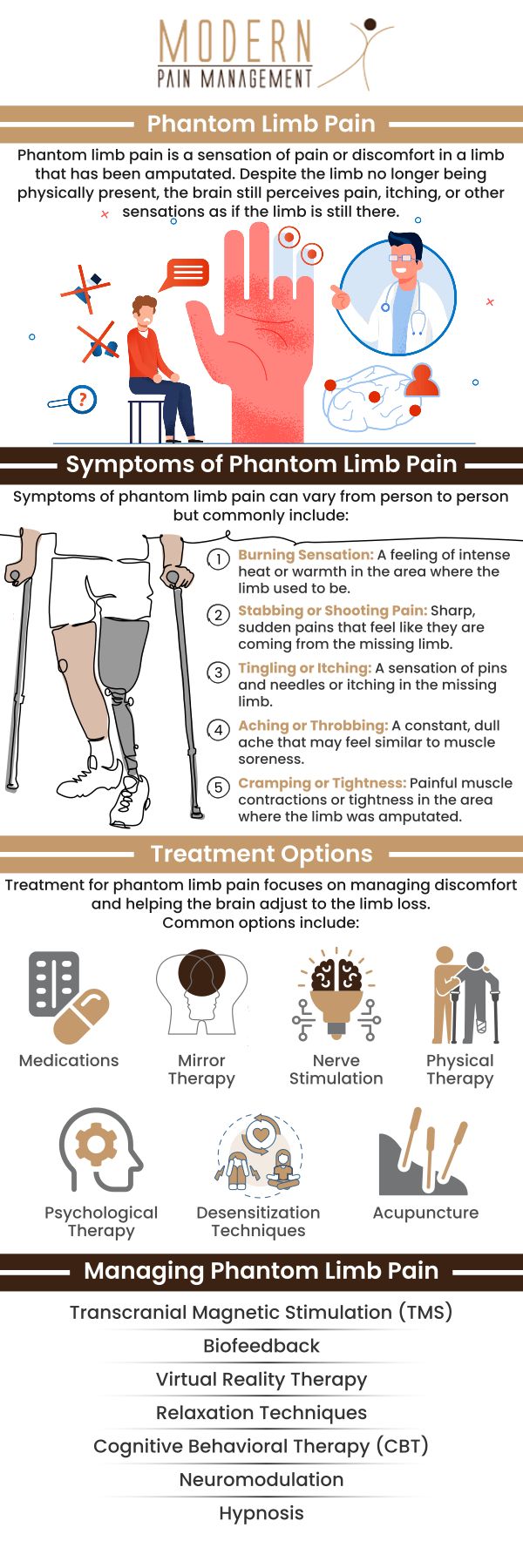
Table of Contents:
What can trigger a sudden phantom limb syndrome flare-up?
What should you do when phantom limb pain suddenly becomes more intense?
How long can a phantom limb pain flare-up last?
Can stress or physical activity trigger phantom limb syndrome flare-ups?
How does Dr. George Atallah, DO, at Modern Pain Management help patients manage recurring phantom limb syndrome flare-ups in Sugar Land, TX?
At Modern Pain Management, we recognize that phantom limb syndrome can be a challenging and often distressing condition for individuals who have experienced amputation. Phantom limb syndrome refers to the sensation that an amputated or missing limb is still present, frequently accompanied by pain or discomfort. Sudden flare-ups of these symptoms are not uncommon, and understanding potential triggers is key to effective management.
Common triggers for phantom limb flare-ups include physical stimuli—such as pressure or irritation at the amputation site, changes in how a prosthesis fits, or even minor injuries to the residual limb. Emotional factors, including stress, anxiety, or depression, can also intensify phantom sensations and pain. Environmental changes, like shifts in barometric pressure or temperature, may worsen symptoms for certain individuals.
Medical issues including infections or the development of neuromas (nerve growths at the end of the amputated nerve) are additional factors that can provoke sudden episodes of phantom limb pain. Sometimes, even thinking about the missing limb or recalling traumatic events related to the amputation can trigger symptoms.
At Modern Pain Management, our multidisciplinary team is committed to working closely with patients to identify their unique triggers and develop personalized care plans. Interventions may include advanced medication management, nerve blocks, physical therapy, and integrative treatments. Recognizing and addressing these triggers empowers our patients to better manage their symptoms and improve their quality of life.
At Modern Pain Management, we understand that phantom limb pain (PLP) can be unpredictable and distressing. If you notice your phantom limb pain suddenly becoming more intense, it is important to identify any possible triggers or changes that may have contributed to this spike. Common factors include increased stress, changes in weather, disrupted sleep, or recent physical activity.
Immediate Steps You Can Take:
• Find comfort: Move to a calm and quiet space where you can relax.
• Gentle care: Lightly massage or rub the residual limb, provided it is not tender, swollen, or showing any signs of infection. Sometimes, applying a warm compress can offer relief.
• Relaxation techniques: Practice deep breathing, mindfulness, or guided imagery to help reduce your discomfort. Our providers can guide you through these methods.
• Medication: Follow your pain management plan as directed. Use any over-the-counter or prescription medications provided by your Modern Pain Management physician exactly as instructed.
• Therapies: Consider mirror therapy, which can be effective for some patients.
When to Seek Medical Attention: If your pain does not improve, becomes severe, or if you notice new symptoms such as redness, swelling, fever, or drainage from your residual limb, contact Modern Pain Management immediately. These could be signs of infection or other medical complications that require prompt evaluation by our specialists.
Why Ongoing Communication is Important: Sudden or severe changes in your phantom limb pain should always be discussed with your Modern Pain Management provider. This ensures you receive the most appropriate and up-to-date care, and helps us rule out any underlying issues that may need attention.
At Modern Pain Management, we understand that phantom limb pain flare-ups can vary greatly from person to person. For some, an episode may last just a few minutes, while others may experience persistent discomfort for several hours or even days. The frequency and intensity of these flare-ups can be influenced by factors such as stress, fatigue, changes in weather, or physical activity.
If phantom limb pain isn’t well controlled, flare-ups may become more frequent or even chronic, significantly affecting your quality of life. That’s why our team at Modern Pain Management emphasizes individualized care—working closely with you to track your symptoms, identify potential triggers, and develop a personalized treatment plan.
If you notice your phantom limb pain is becoming more frequent, more intense, or lasting longer than usual, it’s important to reach out to our medical professionals. Our specialists are experienced in a wide range of advanced therapies and can recommend adjustments to your pain management plan to help provide better relief and improve your daily functioning.
The Role of Stress in Phantom Limb Pain
Research and clinical experience have shown that stress—whether emotional, psychological, or physical—can intensify phantom limb pain. Stress activates the body’s nervous system and can heighten sensitivity, sometimes amplifying pain signals from the brain. This increased sensitivity may lead to more frequent or more intense phantom sensations. At Modern Pain Management, we offer a variety of stress-reduction techniques, including cognitive behavioral therapy, mindfulness training, and biofeedback, to help manage stress and its impact on pain.
Physical Activity: A Double-Edged Sword
Physical activity can also influence phantom limb symptoms, but its effects can vary widely. Some patients notice that certain movements or activities can trigger phantom sensations or pain, especially if nerves or muscles near the amputation site are activated. However, regular, moderate exercise is often beneficial for overall health, improved circulation, and stress reduction—all of which can help in managing phantom limb pain. At Modern Pain Management, we work closely with physical therapists to develop safe and effective exercise plans tailored to each patient’s needs and abilities.
Because every patient’s experience with phantom limb syndrome is unique, we encourage our patients to track their symptoms and potential triggers, such as stressful events or changes in physical activity. Keeping a symptom journal can be an effective tool in identifying patterns and tailoring your treatment plan.
If you notice that your phantom limb pain is becoming more frequent or severe, we encourage you to reach out to our team at Modern Pain Management. Our multidisciplinary approach allows us to provide comprehensive, individualized strategies—including medication management, physical therapy, psychological support, and advanced interventions—to help manage symptoms and improve your quality of life.
At Modern Pain Management in Sugar Land, TX, Dr. George Atallah, DO, is dedicated to helping patients manage recurring flare-ups of phantom limb syndrome using a modern, multidisciplinary approach. Our practice is committed to addressing the unique challenges of phantom limb pain through comprehensive evaluations and individualized care plans.
Dr. Atallah begins each patient’s journey with a thorough assessment, taking the time to understand the specific characteristics and impact of their phantom limb sensations and pain episodes. Leveraging the latest evidence-based treatments, Modern Pain Management offers a full spectrum of options, including neuropathic pain medications, topical therapies, and advanced interventional procedures such as nerve blocks and spinal cord stimulation. These interventions are designed to target abnormal nerve pathways and reduce persistent pain.
Understanding that managing phantom limb pain often requires more than medication alone, Dr. Atallah works closely with a network of physical therapists to incorporate rehabilitative strategies like mirror therapy and graded motor imagery. These innovative techniques can help retrain the brain’s response to limb loss, often resulting in significant reductions in pain and discomfort.
By integrating cutting-edge medical treatments, collaborative rehabilitation, and ongoing patient support, Modern Pain Management helps individuals in Sugar Land and the greater Houston area gain control over their phantom limb syndrome. Our patient-centered approach is designed to improve quality of life and help each patient return to their daily activities with confidence and comfort. Contact us today or schedule a consultation. We are located at 12930 Dairy Ashford Rd #501-504, Sugar Land, TX 77478. We serve patients from Sugar Land TX, Houston TX, Pearland TX, Jersey Village TX, Missouri City TX, Stafford TX, and Richmond TX.
Check Out Our 5 Star Reviews

ADDITIONAL SERVICES YOU MAY NEED





 Send Text
 How May I Help You?