

Neuropathy Symptoms in Houston, TX: What You Need to Know
Neuropathy can lead to symptoms such as pain, tingling, numbness, and weakness, particularly in the legs and feet. These symptoms may worsen over time and impact your ability to perform everyday tasks. Dr. George Atallah, DO, at Modern Pain Management Clinic, offers diagnosis and personalized treatment options to help manage neuropathy symptoms, providing relief and improving quality of life. For more information, contact us or request an appointment online. We are located at 902 Frostwood Dr #235, Houston, TX 77024.
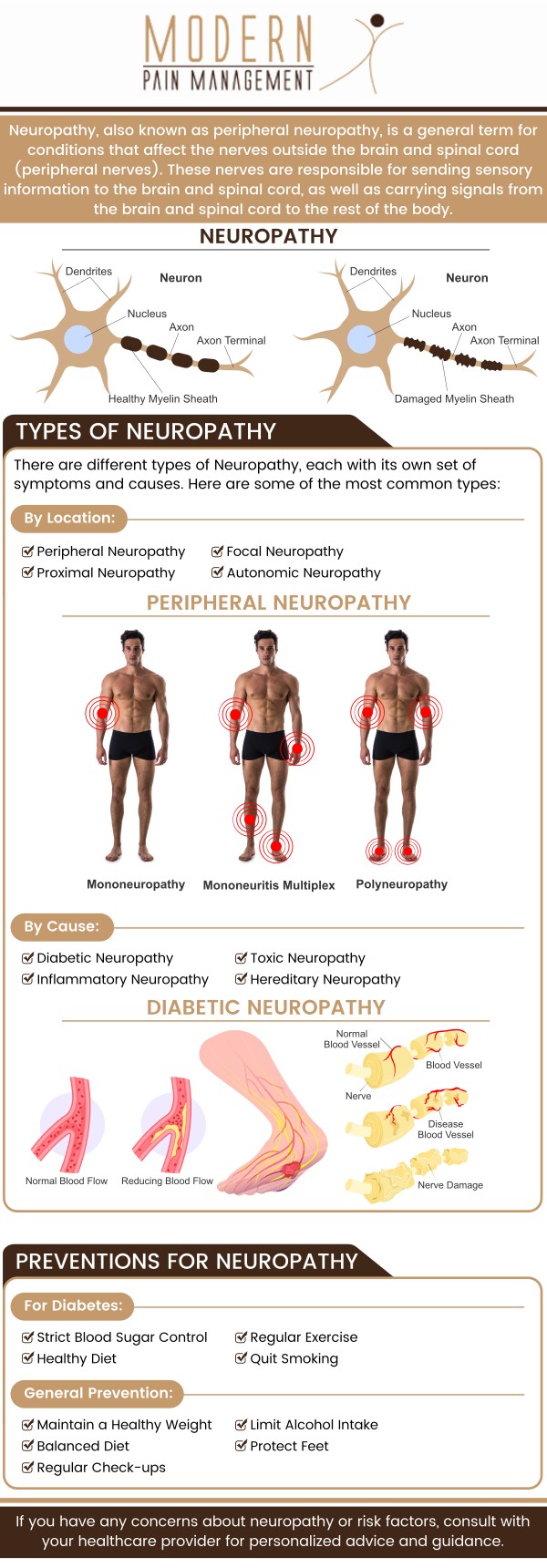
Table of Contents:
How do different types of neuropathy affect the legs and feet differently?
What are the common symptoms of neuropathy that affect the legs and feet?
How can neuropathy symptoms impact daily activities and mobility?
Can neuropathy in the legs and feet be reversed, or is it manageable only?
Dr. George Atallah, DO, Explains What You Need to Know About Neuropathy Symptoms and Modern Pain Management
At Modern Pain Management Clinic, we specialize in diagnosing and treating neuropathy—a condition caused by nerve damage that often affects the legs and feet. Our experienced medical team understands that neuropathy can present in several forms, each requiring a personalized approach to care.
Peripheral Neuropathy
The most common type we see in our clinic is peripheral neuropathy. It usually starts with numbness, tingling, burning, or pain in the toes and soles of the feet, gradually spreading upward. As it progresses, patients may develop muscle weakness, balance problems, and reduced reflexes, increasing the risk of falls and injuries. Peripheral neuropathy often affects those with diabetes, but it can have many causes. At Modern Pain Management Clinic, we use advanced diagnostic tools to identify the underlying cause and provide targeted pain relief options.
Autonomic Neuropathy
Autonomic neuropathy disrupts the nerves that control involuntary functions, which can manifest in the legs and feet as dry, cracked skin, poor wound healing, and changes in skin color or temperature. Our clinic understands the importance of managing these symptoms to prevent infections and complications. We offer comprehensive care plans that address both pain and skin health, ensuring optimal circulation and support for healing wounds.
Focal Neuropathy
Focal neuropathy, or mononeuropathy, affects specific nerves and can cause sudden, severe pain, weakness, or even paralysis in a localized area of the leg or foot—such as difficulty straightening the leg or lifting the foot (foot drop). At Modern Pain Management Clinic, we provide precise diagnostic evaluations to identify the affected nerves and develop individualized treatment plans that may include nerve blocks.
Common signs of neuropathy that we see include numbness that often starts in the toes and gradually moves upward, as well as tingling sensations or a persistent “pins and needles” feeling. Many patients describe burning pain in their feet, or sharp, stabbing discomfort that can be difficult to control. Heightened sensitivity to touch is also common—sometimes even the light weight of a bedsheet can be intolerable. Loss of balance, difficulty walking, muscle weakness, and cramping are additional symptoms that may impact your daily activities. In some cases, you might notice changes in your skin’s texture, temperature, or color, or experience sores and infections that are slow to heal.
Our goal is to address your pain, restore function, and help you regain control over your life.
Neuropathy often leads to symptoms such as numbness, tingling, burning pain, muscle weakness, and loss of coordination. These symptoms can significantly affect your ability to perform everyday activities and maintain your independence.
For many individuals, numbness and loss of sensation in the feet or hands can make it difficult to complete tasks requiring fine motor skills. Persistent tingling and pain can be distracting or even severe enough to interfere with sleep and concentration, which in turn affects overall well-being and daytime function.
Muscle weakness and poor coordination caused by neuropathy can make walking unsteady, increase the risk of falls, and make it challenging to climb stairs, stand for extended periods, or carry groceries. Balance may become an issue, especially in low-light conditions or on uneven surfaces, because the nerves responsible for sensing foot position are impaired. Additionally, loss of sensation can make it difficult to notice injuries, pressure sores, or temperature extremes, increasing the risk of wounds or burns.
Whether neuropathy can be reversed depends on its underlying cause and how early it is detected. In some instances, neuropathy caused by treatable factors—such as vitamin deficiencies, certain infections, or exposure to toxins—may be partially or even fully reversible. For example, correcting a vitamin B12 deficiency or treating an underlying infection can sometimes restore nerve function if addressed promptly.
However, the most common cause of neuropathy in the legs and feet is diabetes. Diabetic neuropathy often develops gradually, and once significant nerve damage has occurred, it is typically not reversible. Our team focuses on comprehensive management: controlling blood sugar levels, providing advanced pain management therapies, and supporting patients with lifestyle modifications. These strategies can prevent further nerve damage, alleviate pain, and enhance daily functioning—even if full nerve recovery isn’t possible.
Other causes, such as autoimmune diseases, chronic kidney disease, or hereditary conditions, often lead to chronic or progressive neuropathy. While these forms of neuropathy may not be curable, our clinic offers individualized treatment plans to slow progression, manage pain, and maintain mobility. Our multidisciplinary approach may include medication management, physical therapy referrals, interventional pain procedures, and education on lifestyle adjustments.
At Modern Pain Management Clinic, Dr. George Atallah, DO, emphasizes the importance of understanding neuropathy—a condition that affects the nerves. Neuropathy often manifests as tingling, numbness, burning sensations, or sharp, shooting pains, typically starting in the hands or feet. Some patients may also experience muscle weakness or issues with coordination and balance. The severity and progression of symptoms can vary, making early recognition and treatment essential.
Dr. Atallah and the team recognize that neuropathy can stem from multiple causes, including diabetes, infections, autoimmune disorders, vitamin deficiencies, and certain medications. Identifying the underlying cause is the first step in developing an effective treatment plan. Early intervention can help prevent further nerve damage and significantly improve a patient’s quality of life.
At Modern Pain Management Clinic, we offer advanced, evidence-based approaches to neuropathy care. Our treatment strategies are highly individualized and may include:
• Addressing Underlying Causes: For example, optimizing blood sugar control in diabetic patients or correcting vitamin deficiencies.
• Non-Pharmacological Therapies: Physical therapy, occupational therapy, and lifestyle modifications to enhance function and relieve symptoms.
• Innovative Interventional Techniques: For patients who need additional relief, we provide cutting-edge therapies such as nerve blocks and neuromodulation. These procedures can help disrupt pain signals and offer new hope for those with persistent symptoms.
At Modern Pain Management Clinic, our comprehensive approach ensures that each patient receives a personalized treatment plan. We understand that every individual’s experience with neuropathy is unique, and we are dedicated to helping each person regain comfort and functionality.
Living with neuropathy can be challenging, but with prompt diagnosis and a combination of modern therapies, many patients achieve significant relief and maintain an active lifestyle. For more information, contact us or request an appointment online. We are located at 902 Frostwood Dr #235, Houston, TX 77024. We serve patients from Houston TX, Sugar Land TX, Pearland TX, Jersey Village TX, Missouri TX, Stafford TX, and Richmond TX.
Check Out Our 5 Star Reviews

ADDITIONAL SERVICES YOU MAY NEED





 Send Text
 How May I Help You?