

Can Neuropathy Cause Sharp Pain in the Legs and Feet?
Yes, peripheral neuropathy is a primary cause of sharp, stabbing, or electric-like pain in the lower extremities. When peripheral nerves are damaged by conditions like diabetes or physical trauma, they misfire, transmitting erratic pain signals to the brain. At Modern Pain Management, Dr. George Atallah, DO utilizes advanced diagnostics to pinpoint the exact source of this nerve dysfunction, providing targeted, evidence-based treatments designed to calm overactive nerves and restore your mobility. For more information, contact us or request an appointment online. We are located at 902 Frostwood Dr #235, Houston, TX 77024.
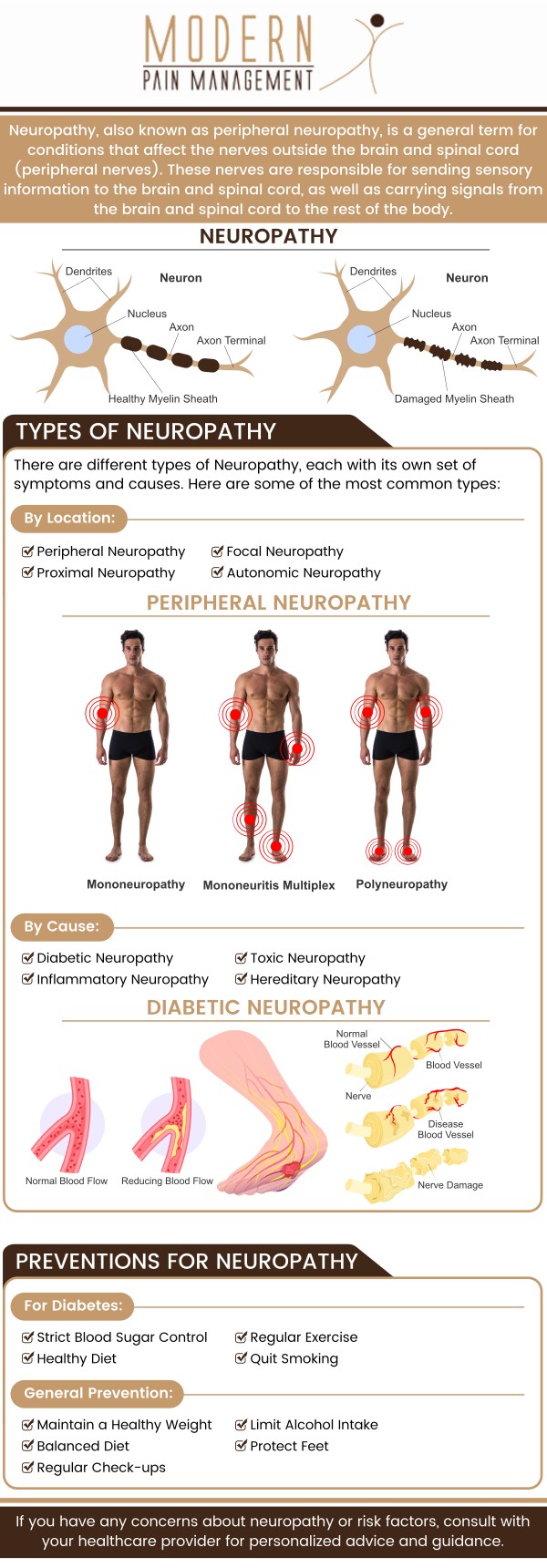
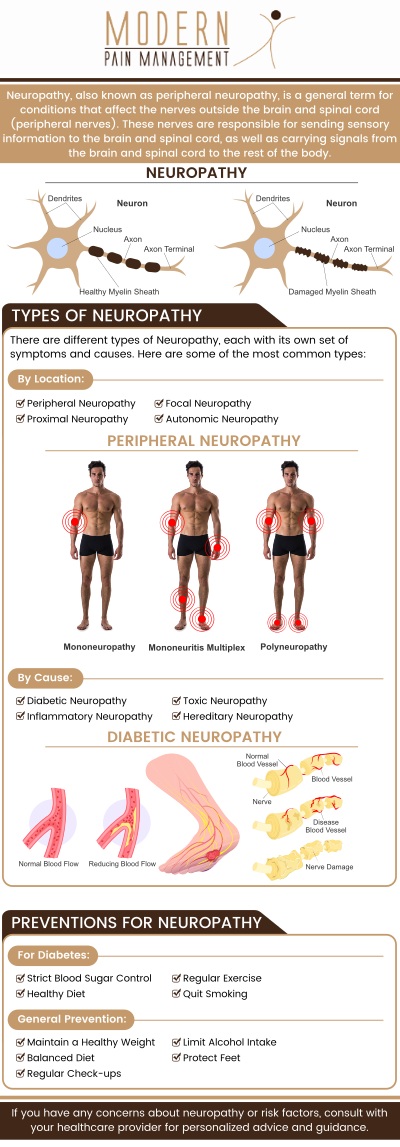
Table of Contents:
What else does neuropathy pain feel like?
What types of pain are common with leg and foot neuropathy?
Why does neuropathy sometimes cause burning or tingling sensations?
How can sharp neuropathy pain in the lower limbs be managed?
Manage leg and foot neuropathy with sharp pain effectively through Dr. George Atallah, DO, at Modern Pain Management.
At Modern Pain Management, we understand that neuropathy pain presents in a wide variety of ways, far beyond the typical sensations of numbness and tingling. Many of our patients describe burning or searing pain, as if the affected area is exposed to intense heat, while others experience sharp, stabbing, or electric shock-like sensations that can occur unexpectedly. Deep aching or throbbing pain is also common, and some individuals find their skin becomes highly sensitive—even gentle touch can cause significant discomfort, a phenomenon known as allodynia.
Other symptoms may include persistent “pins and needles,” a crawling feeling under the skin, or fluctuations in pain intensity that worsen at night or during periods of rest. Neuropathy pain can be persistent or intermittent, and may be accompanied by muscle weakness or a sense of heaviness in the affected limbs. Because neuropathy affects the nerves, the nature of the pain can vary greatly from person to person and may be difficult to describe.
Many of our patients report burning pain—a sensation as if the skin or deeper tissues are on fire—as one of the most common neuropathic symptoms. Others describe tingling pain, often likened to “pins and needles” or an electric shock, while shooting pain may present as sudden, sharp, or stabbing feelings that radiate along the leg or foot.
Persistent, aching pain—whether dull or throbbing—is also frequently experienced. Some individuals develop allodynia, where even light touch or pressure from clothing or bed sheets can feel extremely painful. Sensitivity to temperature changes, such as heightened discomfort from cold or heat, is another challenge that can accompany neuropathy. Occasionally, patients experience a paradoxical combination of numbness and pain, where the affected area feels both “dead” and uncomfortable at the same time.
These symptoms often intensify at night, leading to sleep disruption and making everyday activities more difficult. At Modern Pain Management, our team recognizes the diverse nature of neuropathic pain and is dedicated to providing personalized treatment plans tailored to your specific symptoms.
Neuropathy refers to damage or dysfunction of the nerves, most commonly affecting the peripheral nerves that transmit signals between the central nervous system and the rest of the body. When these nerves are injured or diseased, they can start to misfire, sending abnormal signals to the brain. Instead of transmitting typical sensations such as touch or temperature, damaged nerves may generate inappropriate electrical activity. This altered signaling can be interpreted by the brain as burning, tingling, or pins-and-needles sensations, even in the absence of any real external stimulus.
At Modern Pain Management, we understand that the reason for these specific sensations lies in how nerve fibers work. Sensory nerves are responsible for carrying information about pain, temperature, and touch. When neuropathy affects these nerves, the protective covering called the myelin sheath can become damaged, disrupting the normal flow of electrical impulses. This disruption can cause nerves to become hyperactive or overly sensitive, resulting in sensations that range from mild tingling to intense burning. Additionally, inflammation or metabolic changes, such as those found in diabetes, can further irritate or injure nerve fibers, compounding these abnormal sensations.
Managing neuropathic pain requires a multifaceted approach, and we are committed to guiding you through every step of your treatment journey.
Comprehensive Evaluation and Diagnosis
The first step is a thorough evaluation to identify the underlying cause of your neuropathy. Common causes include diabetes, vitamin deficiencies, or other medical conditions. For patients with diabetic neuropathy, we emphasize the importance of blood sugar control to slow the progression of nerve damage and reduce pain.
Advanced Medical Treatments
Our physicians utilize the latest medical therapies to manage neuropathic pain effectively. This may include:
• Medications: We often prescribe anticonvulsant medications to reduce nerve pain signals. Certain antidepressants are frequently used due to their effectiveness in neuropathic pain management, even in the absence of depression. For localized pain, topical treatments like lidocaine patches or capsaicin cream may be recommended. In rare cases where pain is severe and unresponsive to other treatments, we may consider short-term use of opioid medications under close supervision, with careful monitoring to minimize risks.
Interventional Pain Procedures
Modern Pain Management specializes in advanced interventional procedures, such as nerve blocks, spinal cord stimulation, and TENS (transcutaneous electrical nerve stimulation), which can provide significant relief for patients whose pain does not respond to conventional therapies.
Physical and Occupational Therapy
We work closely with physical and occupational therapists to design individualized exercise programs. These therapies help improve strength, balance, and flexibility, which can reduce pain and prevent falls. Our team also educates patients on modifying daily activities to minimize discomfort and avoid injury.
Lifestyle and Self-Care Support
Lifestyle modifications are an integral part of our approach:
• Exercise: We encourage regular, moderate physical activity—such as walking or swimming—to improve blood flow and reduce nerve pain.
• Nutrition: Our team provides guidance on a balanced diet to support nerve health and address vitamin deficiencies, such as B12.
• Habits: We offer support for quitting smoking and limiting alcohol, both of which can worsen neuropathy symptoms.
If you’re experiencing sharp pain, tingling, burning, or numbness in your legs and feet due to neuropathy, the experienced team at Modern Pain Management is here to help. Led by Dr. George Atallah, DO, our practice specializes in advanced, evidence-based treatments designed to relieve nerve pain and improve your quality of life.
At Modern Pain Management, we understand that neuropathic pain can disrupt your day-to-day activities and sleep. Our approach begins with a comprehensive evaluation to determine the root cause of your symptoms—whether related to diabetes, injury, or another medical condition. Dr. Atallah and our team take the time to listen to your concerns and tailor a treatment plan that fits your unique needs.
Throughout your care, you’ll receive ongoing education and support from our compassionate staff. At Modern Pain Management, we are dedicated to helping you manage neuropathic pain, reduce flare-ups, and restore your daily function. With access to the latest pain management innovations and a patient-centered philosophy, we empower you to take control of your neuropathy and reclaim your well-being.
Ready to find long-lasting relief? Contact Modern Pain Management to schedule your consultation with Dr. Atallah and start your journey to better nerve health today. We are located at 902 Frostwood Dr #235, Houston, TX 77024. We serve patients from Houston TX, Sugar Land TX, Pearland TX, Jersey Village TX, Missouri TX, Stafford TX, and Richmond TX.
Check Out Our 5 Star Reviews

ADDITIONAL SERVICES YOU MAY NEED





 Send Text
 How May I Help You?