

Key Symptoms of Sacroiliitis in Sugar Land, TX and How to Identify Them
Sacroiliitis causes deep, aching pain in the lower back and buttocks that may radiate to the thighs. The pain worsens with activities like standing and running, and can intensify at night or in the morning. Stiffness lasting over 30 minutes, tenderness over the sacroiliac joints, and possible swelling or warmth are common symptoms. It’s often associated with inflammatory conditions like ankylosing spondylitis, which may also cause fatigue or joint pain elsewhere. Dr. George Atallah, DO, at Modern Pain Management Clinic, specializes in diagnosing and treating sacroiliitis to alleviate pain and improve mobility. For more information, contact us or book an appointment online. We are located at 12930 Dairy Ashford Rd #501-504, Sugar Land, TX 77478.
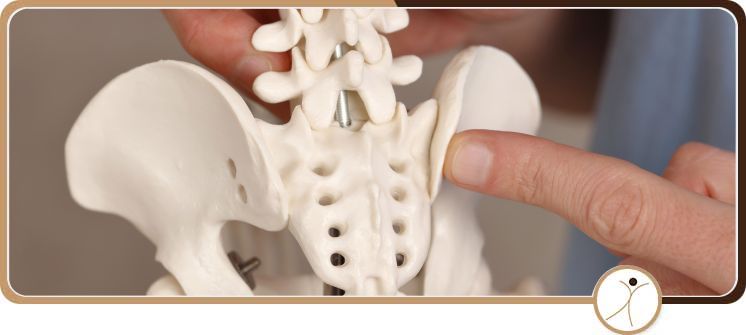

Table of Contents:
How can you differentiate sacroiliitis symptoms from other types of lower back pain?
What causes the pain associated with sacroiliitis, and how does it impact mobility?
How does sacroiliitis pain vary between individuals, and what factors influence its severity?
Can sacroiliitis cause pain in areas other than the lower back, such as the legs or buttocks?
What are the warning signs that sacroiliitis may be worsening or becoming chronic?
Understanding Sacroiliitis: Dr. George Atallah, DO Helps You Identify the Key Symptoms
Sacroiliitis can be difficult to distinguish from other causes of lower back pain, but our expert team uses the latest diagnostic tools and treatments to help you find relief.
Recognizing the Signs of Sacroiliitis
Sacroiliitis causes pain in the lower back, particularly over the buttocks, and may radiate to the thighs (but rarely below the knees). The pain is typically deep and aching, worsens with standing, stair climbing, running, or weight-bearing on one leg, and can intensify during rest, especially at night or in the early morning. Morning stiffness lasting over 30 minutes is common, and gentle movement or exercise often relieves it. Tenderness over the sacroiliac joints, swelling, or warmth may also occur. Unlike typical lower back pain, sacroiliitis can be linked to inflammatory conditions like ankylosing spondylitis and may include fatigue, fever, or joint pain, which are less common with mechanical back pain.
Expert Diagnosis and Personalized Care
Our providers perform specialized exams to identify pain from the sacroiliac joints and use imaging or lab testing when needed to confirm the diagnosis and rule out other causes of lower back pain.
Your Path to Relief
If your pain worsens with activity and rest, includes morning stiffness, or is associated with fatigue or joint pain, sacroiliitis may be the cause. Our team offers comprehensive evaluations and personalized treatment plans.
Sacroiliitis occurs when the sacroiliac (SI) joints become inflamed, often due to injury, infection, arthritis, pregnancy, or repetitive stress. This inflammation can extend to surrounding tissues, worsening pain and stiffness.
Symptoms and Impact on Daily Life
Patients with sacroiliitis typically experience dull or sharp pain in the lower back, buttocks, or legs. Activities like standing, climbing stairs, walking, or transitioning from sitting to standing often worsen the pain. Other symptoms include stiffness, reduced mobility, and pelvic instability. If untreated, sacroiliitis can lead to chronic pain, poor posture, gait abnormalities, and a decreased quality of life.
How Modern Pain Management Clinic Can Help
At our clinic, we specialize in diagnosing and treating sacroiliitis using minimally invasive, evidence-based techniques. Our services include:
• Comprehensive Evaluation: Physical exams, advanced imaging, and diagnostic injections to identify the source of pain.
• Personalized Treatment Plans: Including physical therapy, medications, SI joint injections, radiofrequency ablation, and regenerative medicine.
• Multidisciplinary Approach: Collaboration with specialists like physical therapists and rheumatologists for holistic care.
• Patient Education: Teaching self-management strategies to prevent flare-ups and promote long-term wellness.
Sacroiliitis is a condition involving inflammation of one or both sacroiliac joints, where the lower spine meets the pelvis, and affects each patient differently. The pain associated with sacroiliitis can range from a dull, persistent ache in the lower back or buttocks to sharp, stabbing sensations that may radiate down the legs. Some patients notice pain that worsens with specific movements, such as standing from a seated position or climbing stairs, while others experience intermittent flare-ups or chronic, disabling discomfort.
The variation in pain presentation is influenced by several factors, including the underlying cause of sacroiliitis (such as inflammatory conditions like ankylosing spondylitis, trauma, infection, or pregnancy-related changes), the extent of inflammation and joint involvement, and the presence of other health conditions. Psychological factors like stress and depression, as well as individual pain thresholds, also play a significant role in how symptoms are experienced and reported.
At Modern Pain Management Clinic, we recognize that lifestyle factors—including physical activity levels, body weight, posture, and occupational demands—can either aggravate or help manage sacroiliitis symptoms. Our multidisciplinary team is committed to assessing each patient’s unique situation to develop a personalized treatment plan. This may include advanced pain management interventions, physical therapy, medication management, and guidance on lifestyle modifications to help reduce pain and improve function.
Our goal is to empower patients with effective strategies and support to manage their condition and enhance their quality of life.
At Modern Pain Management Clinic, we often see patients who initially report lower back pain, but in many cases, the discomfort extends beyond this area. Sacroiliitis frequently causes deep, aching pain in the buttocks, and it can radiate down one or both legs, sometimes reaching the thighs, calves, or even feet. This is due to the close proximity of nerves to the sacroiliac joints, which means inflammation can cause symptoms similar to sciatica.
Many of our patients notice that their pain worsens with activities such as prolonged standing, walking, or climbing stairs. However, symptoms can vary greatly from person to person, and sometimes, leg or buttock pain is the main complaint rather than lower back pain.
Our experienced team uses advanced diagnostic tools to determine if sacroiliitis is the underlying cause of your discomfort. We offer a range of modern, evidence-based treatments to reduce inflammation, alleviate pain, and restore function—so you can get back to living your life.
Sacroiliitis is a painful inflammation of the sacroiliac joints connecting your lower spine and pelvis—can disrupt your daily life. If you have been diagnosed with sacroiliitis or are experiencing symptoms that could indicate this condition, it’s important to recognize when your symptoms may be worsening and when specialized pain management can help.
Key Warning Signs Sacroiliitis May Be Progressing:
• Persistent or Increasing Pain: Ongoing pain in the lower back, buttocks, or hips that doesn’t respond to rest or standard treatments could signal advancing sacroiliitis. If pain becomes more severe or constant, or begins to interfere with sleep, work, or daily activities, it’s time to seek professional evaluation.
• Stiffness and Reduced Mobility: Morning stiffness or stiffness after periods of inactivity that lasts longer or becomes harder to relieve can indicate increased inflammation. Difficulty walking, standing, climbing stairs, or sitting for long periods is also common as the condition advances.
• Radiating or Widespread Pain: Pain that travels down the legs or affects both sides of the body may be a sign that sacroiliitis is worsening.
• Visible Signs of Inflammation: Although less common, swelling, redness, or warmth over the sacroiliac joints can occur—sometimes even accompanied by systemic symptoms like fever, night sweats, or unexplained weight loss, which require prompt medical attention.
• Postural Changes and Limping: As your body compensates for pain, you may notice changes in posture or develop a limp. Over time, chronic sacroiliitis can limit flexibility in your lower back and hips.
At Modern Pain Management Clinic, we understand that living with chronic pain can be overwhelming—especially when the underlying cause is difficult to pinpoint. One such condition is sacroiliitis, an inflammation of the sacroiliac joints where the lower spine and pelvis connect. Our board-certified specialist, Dr. George Atallah, DO, emphasizes the importance of recognizing the key symptoms of sacroiliitis.
What are the symptoms of sacroiliitis?
Sacroiliitis often presents with pain in the lower back, buttocks, or hips. This pain can be sharp or achy, and may radiate into the thighs or groin. At Modern Pain Management Clinic, Dr. Atallah notes that patients frequently report increased discomfort after standing for long periods, climbing stairs, or bearing weight on one leg. The pain may also be more noticeable after periods of rest, such as first thing in the morning.
In addition to pain, stiffness in the lower back and hips is a common symptom. This stiffness can make it difficult to move freely, particularly after sitting or lying down for extended periods. Some individuals may also notice mild swelling, warmth, or redness over the affected area, although these signs are less common.
In rare cases, sacroiliitis may be accompanied by a low-grade fever—especially if the inflammation is caused by an infection. When the inflammation is related to underlying conditions like ankylosing spondylitis or other forms of arthritis, additional symptoms such as eye discomfort or digestive issues may also occur. For more information, contact us or book an appointment online. We are located at 12930 Dairy Ashford Rd #501-504, Sugar Land, TX 77478. We serve patients from Sugar Land TX, Houston TX, Pearland TX, Jersey Village TX, Missouri City TX, Stafford TX, and Richmond TX. We look forward to serving you!
Check Out Our 5 Star Reviews

ADDITIONAL SERVICES YOU MAY NEED





 Send Text
 How May I Help You?