

FAQs About Neuropathy in Legs and Feet
If you are struggling with burning, tingling, or numbness in your lower extremities, you are not alone. Neuropathy is a complex condition that can disrupt your mobility and overall quality of life. At our practice, Dr. George Atallah focuses on uncovering the underlying causes of nerve damage to provide targeted, effective relief for patients suffering from these frustrating symptoms. Contact us today or schedule a consultation. We are located at 12930 Dairy Ashford Rd #501-504, Sugar Land, TX 77478.
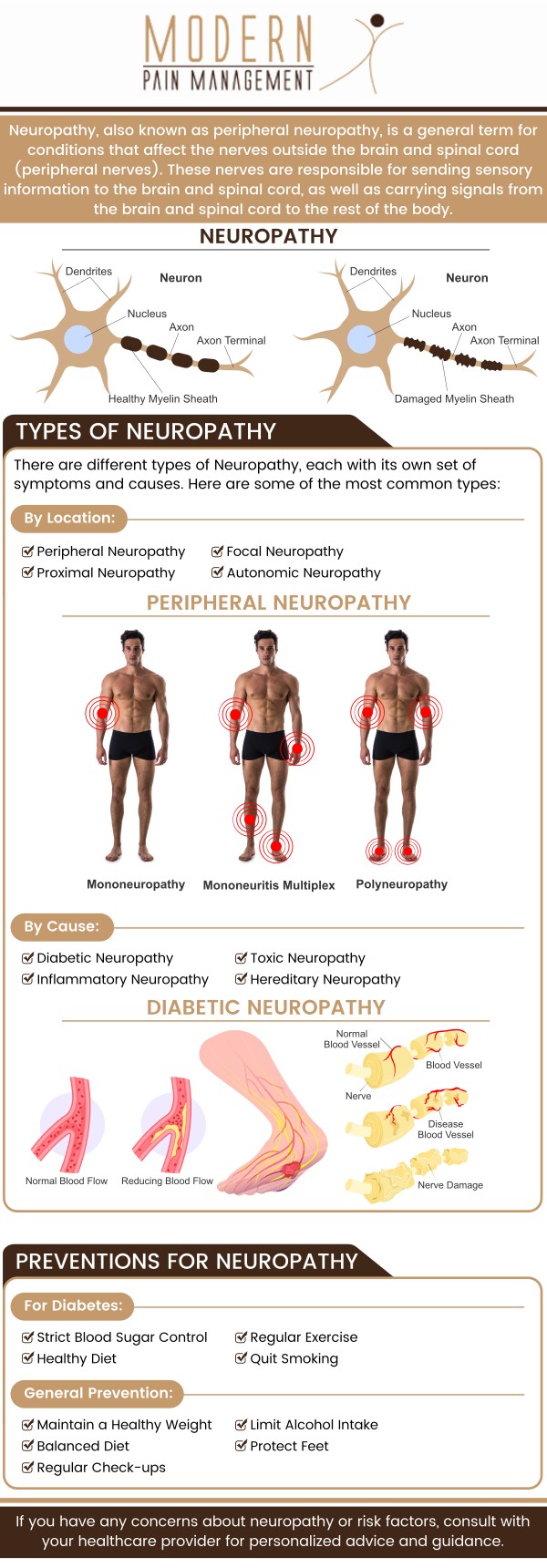
Table of Contents:
What are the early warning signs of neuropathy in the feet and legs?
How can I tell the difference between neuropathy and poor circulation?
Why do neuropathy symptoms often feel worse at night?
Can peripheral neuropathy lead to numbness, tingling, or sharp pain in feet and legs?
How is neuropathy in the legs and feet diagnosed?
When should I see a doctor for leg or foot neuropathy?
Can neuropathy be cured or reversed?
Are there lifestyle changes that can help manage neuropathy symptoms?
What types of neuropathy most commonly affect the legs and feet?
What risk factors increase the chance of developing leg and foot neuropathy?
How long does it take for neuropathy treatments to show improvement?
What complications can occur if neuropathy in legs and feet is left untreated?
Do physical therapy or exercise help with neuropathy pain and function?
Are there non‑surgical approaches to relieve neuropathy in lower limbs?
What diagnostic tests are used to identify neuropathy in feet and legs?
How Does Dr. George Atallah Create Personalized Treatment Plans for Neuropathy?
The onset of peripheral nerve damage usually begins subtly. In the earliest stages, patients frequently notice a mild, intermittent tingling or a “pins and needles” sensation in their toes, which gradually creeps up the feet and legs. You might also experience an unusual sensitivity to touch—where even the weight of a bedsheet feels agonizing—or a creeping numbness that makes it difficult to feel the ground while walking. Catching these early red flags is crucial for slowing progression.
While both conditions can cause discomfort in the lower extremities, their symptom profiles differ. Poor circulation typically results in cold feet, cramping in the calves during physical activity, color changes in the skin, and diminished pulses. In contrast, nerve damage presents with electrical, burning, or shooting pain, along with tingling and numbness, regardless of physical exertion. A professional medical evaluation is entirely necessary to distinguish the two, as some patients unfortunately suffer from both conditions simultaneously.
Many patients report that their nerve pain intensifies right as they are trying to fall asleep. This phenomenon occurs for a few distinct reasons. First, during the day, your brain is bombarded with sensory input from movement and environmental noises, which distracts from the pain. At night, without these distractions, your brain hones in on the misfiring nerve signals. Additionally, cooler nighttime temperatures can cause peripheral blood vessels to constrict, amplifying the sensations of burning and tingling.
Yes, absolutely. The peripheral nervous system is responsible for sending sensory information back to the brain and spinal cord. When these nerves are damaged, they malfunction in two primary ways: they either fail to send signals, resulting in a loss of sensation and numbness, or they send inappropriate, exaggerated signals, resulting in tingling and sharp, stabbing pain. These symptoms typically begin in the longest nerves of the body, which is why the toes are almost always affected first.
Diagnosing peripheral nerve damage requires a comprehensive clinical evaluation. A physician will start with a thorough medical history and neurological exam, testing your reflexes, muscle strength, and ability to feel various sensations like vibration and temperature. To confirm the diagnosis, doctors often rely on Electromyography (EMG) and Nerve Conduction Velocity (NCV) tests, which measure the electrical activity of the nerves. Blood tests may also be ordered to check for underlying triggers, such as diabetes or metabolic imbalances.
You should schedule an appointment with a specialist as soon as you notice any persistent tingling, numbness, or unusual pain in your lower limbs. Because nerve damage is often progressive, waiting can lead to irreversible complications. Immediate medical attention is particularly critical if you have a pre-existing condition like diabetes, if the numbness is rapidly spreading, or if you develop an unhealing wound or ulcer on your foot due to a sudden lack of sensation.
Whether the condition can be cured depends heavily on its underlying cause. If the nerve damage is due to a reversible factor—such as a vitamin deficiency, an infection, or exposure to a specific toxin—treating the root cause can allow the nerves to regenerate. However, in cases of diabetic or idiopathic neuropathy, the condition is typically chronic. While it may not be completely cured, modern medical interventions can halt its progression, effectively manage pain, and restore function.
Yes, daily habits play a profound role in symptom management. Maintaining strict blood sugar control is the most critical lifestyle factor for diabetic patients. For all individuals, engaging in regular, low-impact exercise promotes blood circulation, which delivers oxygen and nutrients to damaged nerves. Additionally, adopting a nutrient-rich diet, limiting alcohol intake, quitting smoking, and wearing supportive, well-fitting footwear can vastly improve comfort and prevent further nerve degradation in the sensitive areas of the lower extremities.
The most frequent type is diabetic peripheral neuropathy, which develops from prolonged high blood sugar damaging delicate nerve fibers. Another common variant is alcoholic neuropathy, stemming from the toxic effects of heavy alcohol use. Small fiber neuropathy, which primarily affects the superficial sensory nerves in the skin, is also frequently seen and causes severe burning. Less commonly, autoimmune conditions or chemotherapy treatments can induce inflammatory neuropathies that heavily impact mobility in the feet and legs.
Diabetes is by far the leading risk factor, accounting for a massive percentage of cases. Other significant risk factors include advanced age, a family history of nerve disorders, obesity, and metabolic syndrome. People with autoimmune diseases, kidney or liver disease, and those undergoing certain cancer treatments are also at an elevated risk. Lifestyle choices, particularly chronic alcoholism, smoking, and diets deficient in essential B vitamins, further heighten your susceptibility to early-onset nerve degeneration.
The timeline for relief varies dramatically based on the severity of the nerve damage and the exact treatment modality utilized. Some patients experience a reduction in pain within a few days of starting specific medications or targeted nerve blocks. However, because nerve tissue regenerates incredibly slowly, treatments aimed at cellular healing or reversing underlying nutritional deficits may take several months to yield noticeable, lasting improvements in physical sensation and overall functional leg strength.
Ignoring progressive nerve damage can lead to severe and sometimes life-altering consequences. The most significant danger is the complete loss of protective sensation. Without the ability to feel pain, minor blisters or cuts can easily go unnoticed, quickly escalating into deep, infected ulcers. In extreme cases, these persistent infections can penetrate down to the bone, potentially necessitating amputation. Furthermore, severe sensory loss can severely impair spatial balance, leading to dangerous falls and traumatic fractures.
Physical therapy is a cornerstone of comprehensive nerve pain management. While it cannot necessarily repair damaged nerves directly, targeted therapeutic exercises strengthen the muscles in the feet and legs, compensating for nerve-related weakness. Therapists implement specialized balance and gait training to prevent falls, which is a major concern for patients with profound numbness. Regular exercise also improves cardiovascular health, ensuring that peripheral nerves receive an optimal supply of oxygen-rich blood to support long-term healing.
There is a wide array of highly effective non-surgical treatments available today. First-line defenses often include prescription medications that alter how the brain perceives nerve pain. Beyond oral medications, specialists frequently utilize topical compounded creams, transcutaneous electrical nerve stimulation (TENS), and specialized nerve blocks. In more advanced cases, spinal cord stimulation—a minimally invasive procedure that intercepts pain signals before they reach the brain—can provide profound, long-lasting relief without the need for major corrective surgery.
To pinpoint the exact nature of the nerve dysfunction, specialists use a combination of advanced diagnostic tools. Electromyography (EMG) records the electrical activity within your muscle tissue, while Nerve Conduction Studies (NCS) measure the speed and strength of the electrical signals traveling through your peripheral nerves. Additionally, doctors may perform a skin biopsy to examine small sensory nerve endings directly. Extensive blood panels are also protocol to detect vitamin deficiencies, immune disorders, or hidden blood sugar abnormalities.
When you are battling the relentless burning and numbness of peripheral nerve damage, generic solutions rarely provide lasting relief. Our lead physician, Dr. George Atallah, DO understands that every patient’s nervous system is incredibly unique. At Modern Pain Management, he takes a comprehensive, multidisciplinary approach to chronic pain, blending advanced diagnostic testing with highly targeted interventional techniques. Rather than simply masking symptoms with high-dose medications, the focus remains on neuromodulation, minimally invasive blocks, and holistic rehabilitation to address the root cause of your discomfort. His commitment is to design a fully customized roadmap that restores mobility, improves sleep, and helps you reclaim your everyday life.
Don’t let nerve pain dictate your life or keep you permanently off your feet. If you are ready to explore advanced, personalized solutions for your lower extremity discomfort, visit Modern Pain Management for a comprehensive evaluation. Let our dedicated team help you take the first step toward a pain-free future. Contact us today or schedule a consultation. We are located at 12930 Dairy Ashford Rd #501-504, Sugar Land, TX 77478. We serve patients from Sugar Land TX, Houston TX, Pearland TX, Jersey Village TX, Missouri City TX, Stafford TX, and Richmond TX. We look forward to serving you!
Check Out Our 5 Star Reviews

ADDITIONAL SERVICES YOU MAY NEED





 Send Text
 How May I Help You?